
There was a time when owning property simply collecting rental income and reselling lands. Investors searched for plots in growing neighborhoods, hoping infrastructure would eventually catch up and increase property values.
Today, the case is different.
Across Africa, investors are no longer chasing just land, they are chasing experiences, destinations, and communities that offer something impossible to replicate. Increasingly, they are looking toward the water.
The rise of waterfront developments in Africa is one of the most significant shifts in modern real estate. Waterfront communities are transforming coastlines, riversides, and lakes into thriving ecosystems where luxury living, tourism, commerce, and long-term investment meet. They have become magnets for global capital because they combine scarcity with lifestyle, creating assets that continue to appreciate long after conventional developments have matured.
From Dubai’s man-made islands to Cape Town’s celebrated waterfront district and Miami’s luxury coastal communities, the world’s most valuable real estate increasingly sits beside water. Africa is now embracing the same vision, and projects like Jacob’s Bay are demonstrating that the continent is ready to compete on a global stage.
How did the Rise of Waterfront Developments in Africa come about?
For decades, many African waterfronts were viewed primarily as ports, fishing communities, or undeveloped natural landscapes. Urban expansion often occurred inland while valuable waterfront land remained underutilized.
This has changed dramatically.
Rapid urbanization, a growing middle class, international tourism, and increasing foreign direct investment have encouraged governments and private developers to rethink how waterfront spaces can serve cities. Rather than functioning solely as transportation hubs, these areas are now being master-planned into mixed-use communities featuring luxury residences, hospitality, retail, entertainment, office spaces, parks, and public infrastructure.
Some developments explore projects close to lakes and rivers, while others explore man-made lakes through modern development due to the experience and value water fronts brought to a community.
This transformation reflects broader demographic trends. Africa’s urban population is projected to nearly double by 2050, placing increasing pressure on cities to create sustainable, attractive, and economically productive environments. Waterfront developments help address this need by combining residential living with leisure, tourism, and commercial activity in a single integrated destination.
Unlike conventional estates that often depend on future infrastructure improvements, waterfront projects begin with one advantage that cannot be manufactured later: location.
Water is permanent. So is its value.
Why the Rise of Waterfront Developments in Africa Is Outperforming Traditional Real Estate Investments
Traditional real estate investments generally appreciate because of expanding infrastructure, population growth, and increasing demand. Waterfront developments benefit from all these drivers, but add several powerful advantages that conventional projects simply cannot replicate.
Scarcity Creates Long-Term Appreciation
Waterfront land is finite.
Once premium waterfront locations are developed, no additional land can be created naturally. This scarcity places continuous upward pressure on property values, particularly as cities become more densely populated.
Investors are not simply purchasing land; they are acquiring access to a limited natural asset that becomes increasingly valuable over time.
- Lifestyle Is the New Currency
Modern buyers are prioritizing wellness, walkability, recreation, and experiences over square footage alone.
Living near water offers scenic views, outdoor activities, cleaner surroundings, and a sense of exclusivity that appeals to affluent homeowners, retirees, expatriates, and young professionals alike.
As preferences shift toward lifestyle-focused communities, waterfront developments consistently command stronger demand and premium pricing.
- Tourism Multiplies Investment Returns
Hotels, serviced apartments, restaurants, waterfront retail, marinas, and entertainment venues naturally flourish around water.
Unlike conventional residential estates that depend primarily on homeowners, waterfront communities generate multiple revenue streams through tourism, hospitality, retail, and commercial activities. This diversified economic ecosystem helps strengthen long-term investment performance.
- Premium Rental Demand
Luxury waterfront residences frequently achieve higher rental rates than similar inland properties because they appeal to corporate executives, expatriates, business travelers, and tourists seeking premium experiences.
For investors, this often translates into stronger occupancy rates and more resilient rental income.
Global Success Stories Proving the Rise of Waterfront Developments in Africa
The global real estate market offers compelling evidence that waterfront developments consistently outperform many conventional projects.
Dubai Marina, UAE
Once an undeveloped stretch of coastline, Dubai Marina has evolved into one of the world’s most recognizable waterfront districts. Luxury residences, hotels, retail, and entertainment now create an integrated urban environment that attracts international investors and visitors year-round.
The district demonstrates how visionary planning can transform waterfront land into one of a city’s most valuable investment corridors.
Victoria & Alfred Waterfront, Cape Town
Cape Town’s waterfront is more than a tourist destination, it is an economic engine.
Combining luxury residential developments, shopping, hospitality, offices, museums, and public spaces, it attracts millions of visitors annually while maintaining some of South Africa’s most desirable real estate.
Its success illustrates how waterfront regeneration can create enduring economic value while enhancing a city’s global reputation.
Miami Waterfront Communities
Miami’s coastal neighborhoods remain among the most sought-after real estate markets in North America.
Oceanfront condominiums, luxury villas, marinas, and mixed-use developments continue attracting domestic and international buyers who view waterfront property as both a lifestyle purchase and a wealth-preservation asset.
These examples reinforce a consistent pattern: where thoughtfully planned waterfront developments emerge, investment demand tends to follow.
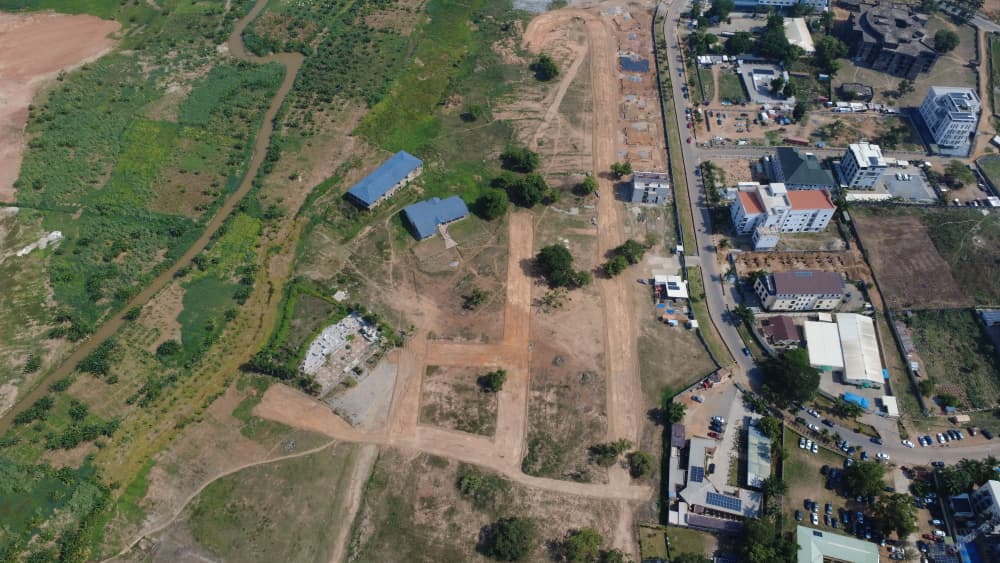
Jacob’s Bay: Bringing the Future of Waterfront Living to Abuja
As the rise of waterfront developments in Africa continues reshaping investment priorities, Jacob’s Bay represents a forward-looking vision for Nigeria’s capital.
Rather than developing another conventional estate, Jacob’s Bay is being master-planned as a waterfront smart city designed to integrate residential living, hospitality, commercial activity, leisure, and modern infrastructure into one connected destination.
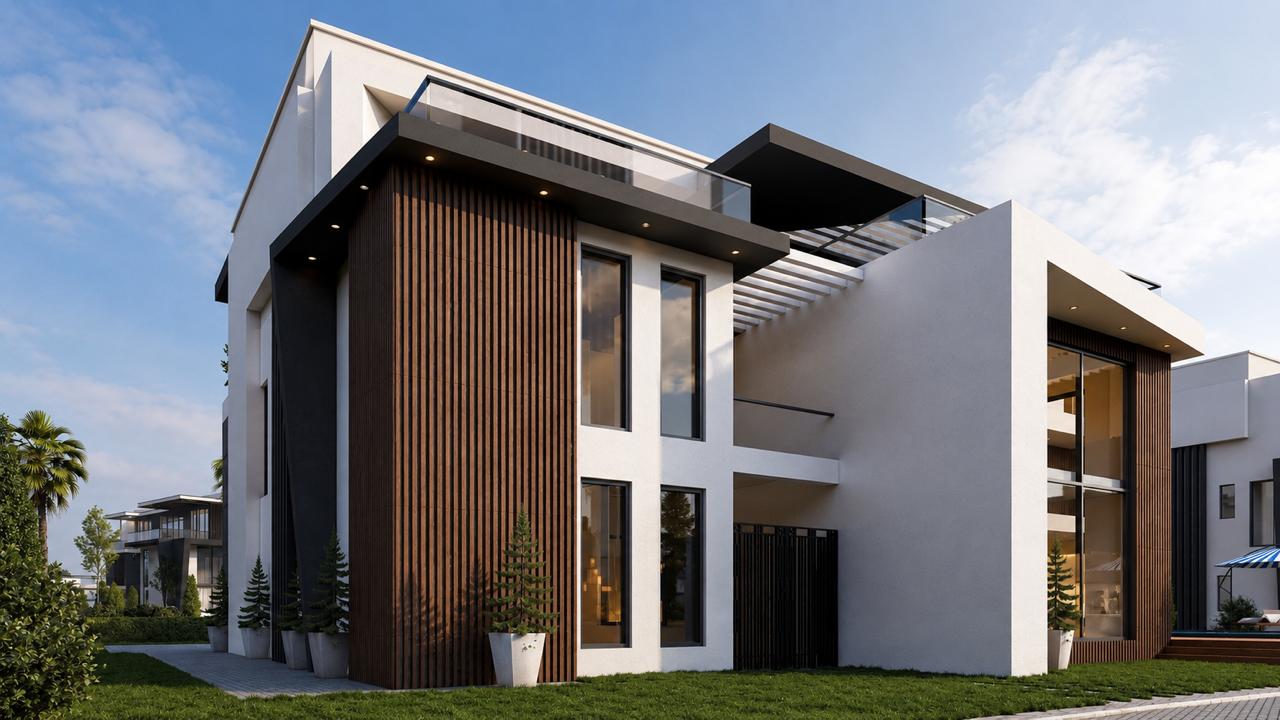
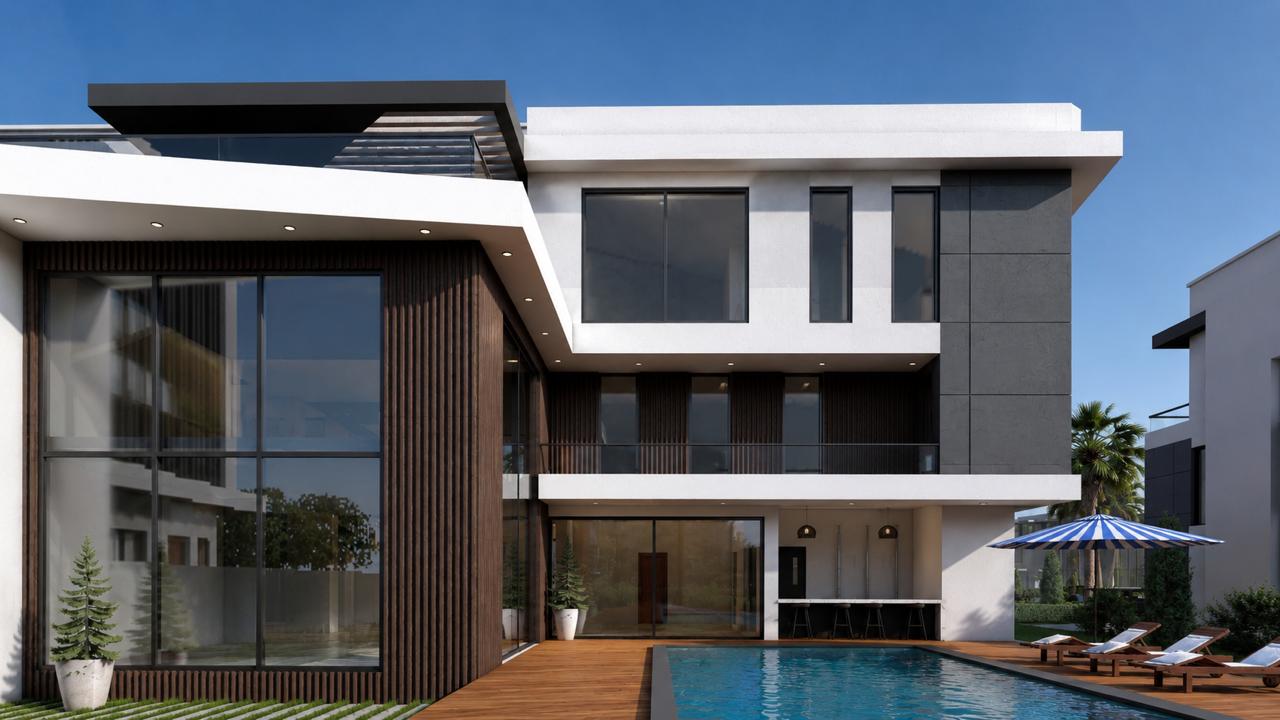
With luxury villas, premium apartments, a planned 250-room hotel, lifestyle amenities, and carefully designed public spaces overlooking the Jabi waterfront, the development reflects the same principles that have driven the success of world-class waterfront destinations.
Its value extends beyond scenic views.
Jacob’s Bay is designed to benefit from increasing tourism activity, rising demand for premium residences, evolving work-and-live lifestyles, and the inherent scarcity of waterfront land. These qualities position it to appeal to homeowners seeking elevated living experiences and investors looking for assets with long-term appreciation potential.
As Abuja continues to expand and attract businesses, diplomatic missions, and international professionals, integrated waterfront communities are likely to become increasingly important components of the city’s future growth.
Jacob’s Bay is not merely participating in this transformation, it is helping define it.
In Conclusion
The rise of waterfront developments in Africa is far more than an architectural trend. It reflects a broader shift in how cities create value, how investors evaluate opportunities, and how people choose to live.
Waterfront developments combine limited supply, premium lifestyle experiences, tourism-driven economies, and integrated urban planning in ways that traditional real estate rarely achieves. These advantages position them for stronger long-term appreciation and sustained demand.
Around the world, waterfront destinations have become symbols of prosperity and resilience. Africa is now writing its own chapter in that story.
For investors seeking future-ready opportunities, the question is no longer whether waterfront developments will shape Africa’s real estate landscape, it is whether they will secure a place in that future before today’s opportunities become tomorrow’s landmarks.
Jacob’s Bay stands as an invitation to be part of that future, where visionary planning, waterfront living, and long-term investment potential come together to create lasting value. Reach out to Jacobs Bay Abuja at support@olwinheight.com to be a part of this move.