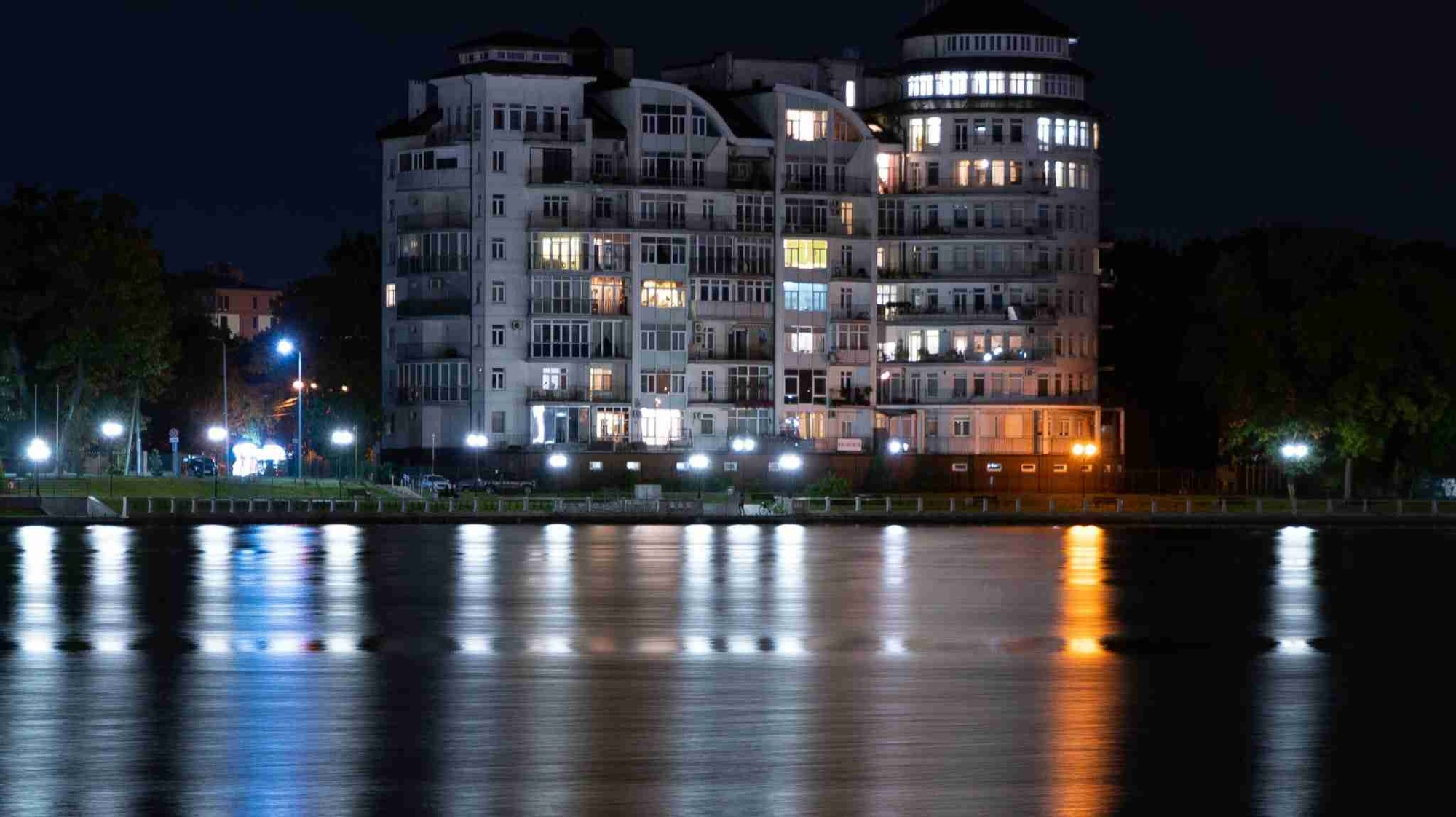

When people hear luxury, they often think ‘expensive’. However, is luxury real estate really overpriced, or is it simply misunderstood?
The perception of “overpricing” usually comes from comparing luxury homes to standard homes without accounting for differences in value.
Think of it like comparing a handmade luxury timepiece to a mass-produced watch, the former is rarer, more durable, and carries a legacy.
Luxury is associated with quality, value, and authenticity.
Well-built luxury properties also age better, requiring fewer repairs and retaining high resale value. In fact, according to Knight Frank’s Wealth Report, luxury homes outperform standard homes in long-term appreciation by 25–40%.
In a world where high-rise penthouses, lakefront villas, and smart luxury estates command eye-watering prices, it’s easy to assume the market is bloated. Yet, the true value of luxury real estate often goes beyond sand and bricks, it’s about exclusivity, world-class amenities, security, lifestyle, and the prestige of ownership.
From the glistening towers of Dubai to the serene, master-planned enclaves in Abuja, luxury real estate remains one of the most resilient asset classes. While skeptics see the price tag, seasoned investors see long-term value, capital appreciation, and legacy.
As you read further, we’ll explore why luxury real estate is priced higher and help you understand the long term value of luxury real estate to help you make an informed buying decision.
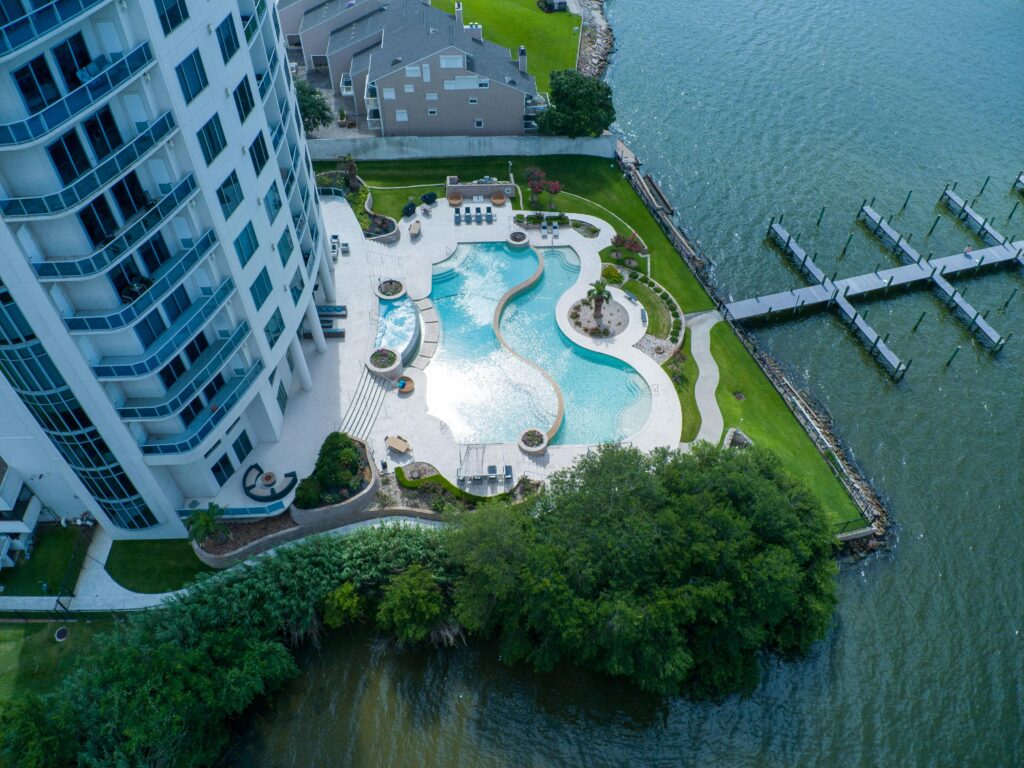
What Really Drives Luxury Real Estate Prices?
Why is luxury priced higher? The high cost of luxury real estate isn’t accidental; it’s shaped by a combination of factors:
1. Quality of Materials
When a property is constructed with quality materials, from the onset, it improves the standard of the building. The cost of materials often depends on their quality. In an effort to cut costs, some people choose cheaper materials, but while this might seem budget-friendly initially, poor-quality materials can lead to multiple issues in the long run.
For example, tin roofs are flimsy and prone to rust and wind damage as opposed to the coated products and installation systems that exist today and are being used in standard homes. This is to show that the quality of materials used directly affects the durability and price of your project.
High-quality materials offer better resistance to environmental factors such as moisture, temperature fluctuations, and chemicals and are often priced higher Hence, sustainable materials, Imported finishes, and bespoke interiors, may increase costs. Example, Italian marble flooring and German kitchens
2. Location Exclusivity
One of the most influential factors in determining the price of luxury real estate is location exclusivity. In prime areas, particularly those with limited land availability, the laws of supply and demand work at full force. When desirable locations have only a fixed amount of space, whether due to geographical constraints, zoning regulations, or environmental preservation, the value of available plots naturally increases.
For example, high-demand districts such as waterfront neighborhoods, diplomatic zones, or serene green-belt areas often have strict building limits or no room for large-scale expansion. This scarcity makes each available property a rare commodity, and rarity commands a premium. Buyers are not just paying for the land or the structure on it, they’re paying for the prestige, the views, the accessibility, and the exclusivity that comes with it.
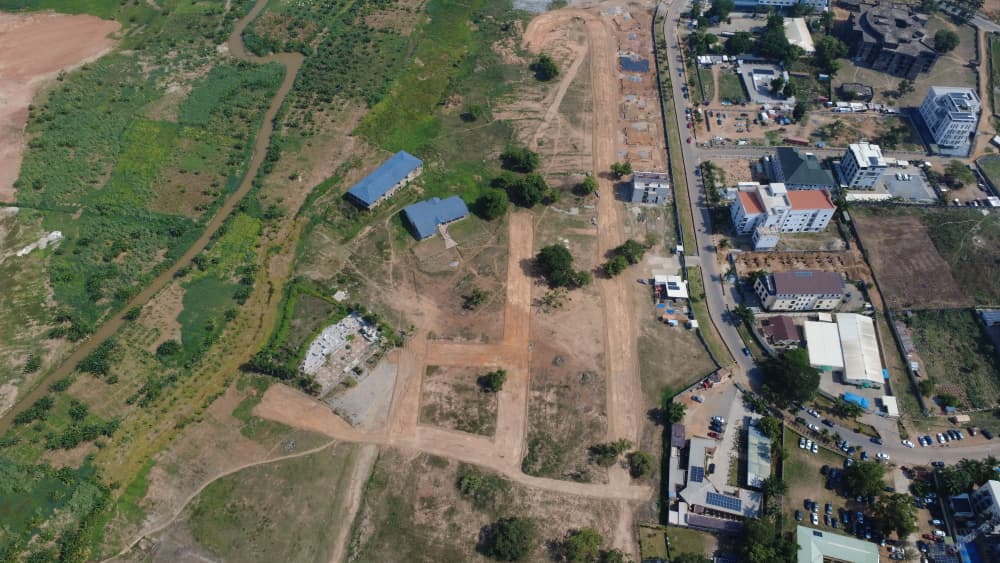
In places like Jacob’s Bay Smart City in Jabi, Abuja, the location offers both stunning lakeside scenery and proximity to business, diplomatic, and leisure hubs. With limited shoreline development opportunities in Abuja, each parcel becomes highly sought after, making prices naturally higher. This exclusivity doesn’t just affect current values, it also ensures long-term appreciation, as the demand will likely continue to outpace supply.
In a nutshell, when a location offers unmatched views, connectivity, and prestige, and there’s only a finite amount of land available, prices will inevitably climb, and for smart investors, that scarcity translates into lasting value.
3. Foundation
How the foundation of a building is laid, affects the entire pricing. In construction, the foundation is the pillar of every building. We’ve seen cases where buildings collapse due to poor foundation. Example is the 21-storey building collapsed in Ikoyi, Nigeria by Forscore homes in 2021. Another one is the collapse of two-storey building in Lekki, Nigeria after a heavy rainfall the previous night on 2nd November 2021
Most builders go with cements that have lumps or that are hardened and concrete that show visible cracks just to cut corners. However, to build a solid foundation that stands the test of time and fights against climate conditions, firstly, the cement must be fresh from unopened bags and must have no hardened parts or lumps. Secondly, the concrete blocks must be uniform in shape and size, must be heavy and solid when lifted, must be consistent in colour, must have no visible cracks, and must also pass the water absorption test.
High-quality concrete and bricks, provides strength and durability for foundations, walls, and other structural components, making the pricing for the construction of the foundation go higher. But it also reduces the need for frequent repairs and maintenance, ultimately saving time and money in the long run, even if not initially.
4. Amenities & Services
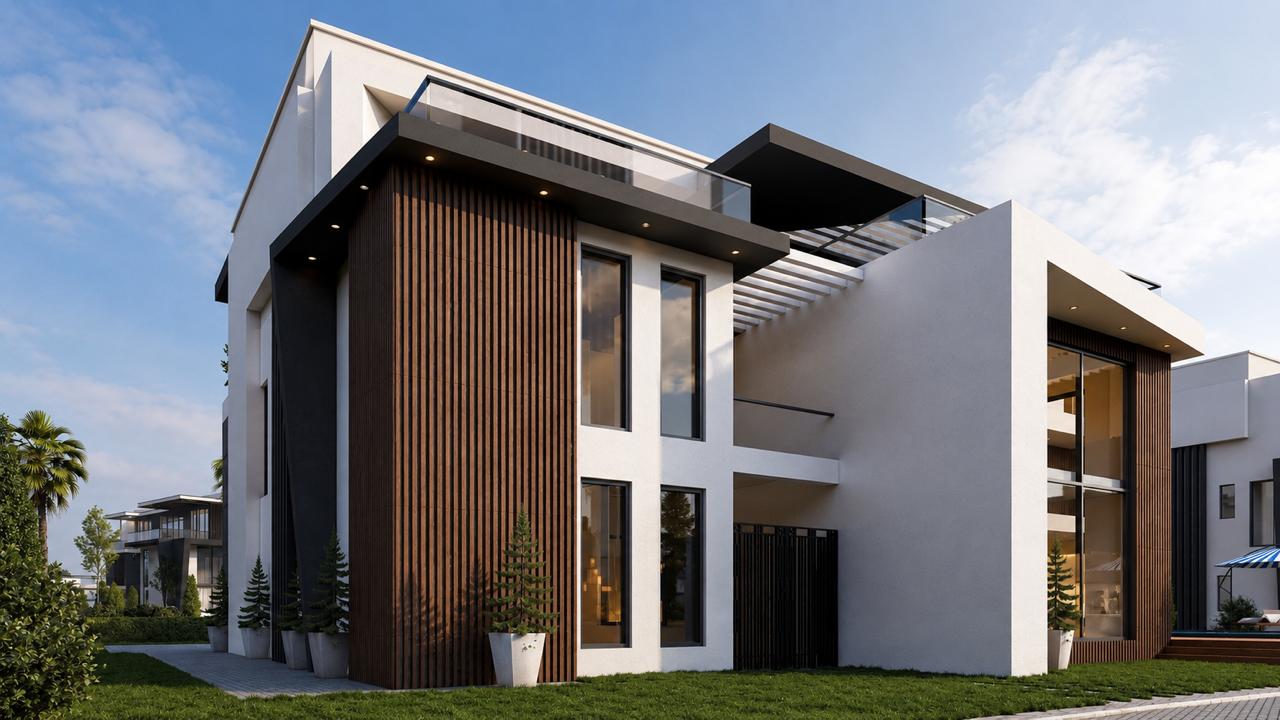
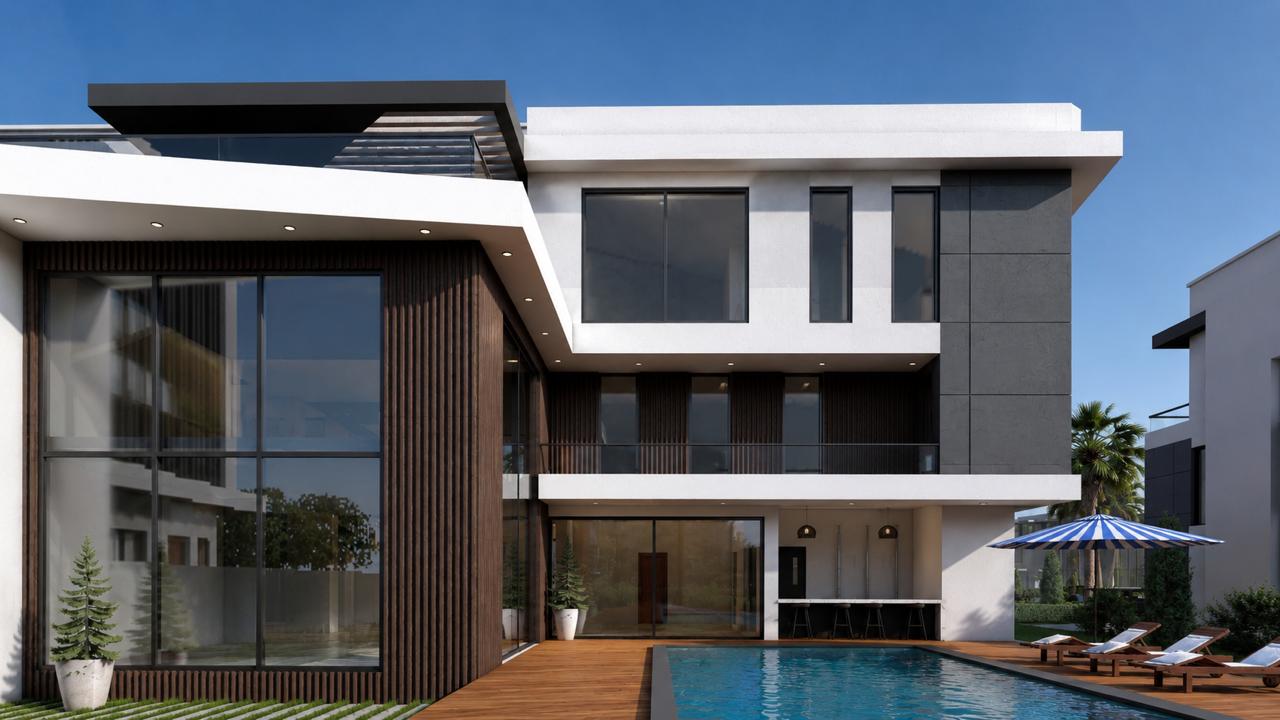
Luxury estates often include concierge services, private gyms, pools, and smart security.
One of the defining features that set the pricing of luxury estates apart from standard properties is the range and quality of amenities and services they provide. For high-end buyers, a property is more than just a home, it’s a complete lifestyle package. This means the presence of premium facilities and exclusive services can significantly influence both the desirability and pricing of a luxury estate.
For instance, in many luxury estates, concierge services go beyond basic assistance. Residents enjoy 24/7 support for everything from booking private chefs and arranging events to handling deliveries and securing last-minute reservations. This convenience not only enhances quality of life but also reinforces the exclusivity and prestige of the property.
Also, while ordinary estates might have a shared fitness room, luxury estates often feature fully equipped private gyms, yoga studios, pools, leisure spaces, and spa facilities that rival high-end wellness resorts.
Additionally, in luxury real estate, security is not just about having guards at the gate, it’s about integrated smart safety systems. This includes biometric access, AI-powered surveillance, remote monitoring via mobile apps, and smart locks. Such systems provide peace of mind without sacrificing aesthetics or convenience.
Thus, these lifestyle enhancements are beyond the basics and translate to higher costs but are assured to increase your quality of living.
5. Construction
In luxury real estate, who handles the construction is often just as important as the location or design. Buyers are not only purchasing a home, they’re purchasing trust, craftsmanship, and long-term value. The credibility, track record, and expertise of the construction company directly influence both the selling price and the perceived worth of the property.
Luxury buyers expect timeliness and flawless execution, from foundation strength to finishing touches. Established builders use skilled artisans, cutting-edge technology, and premium materials to ensure durability and elegance, and they are known for meeting deadlines, delivering on promises, and adhering to strict building codes, safety regulations, and environmental sustainability practices.
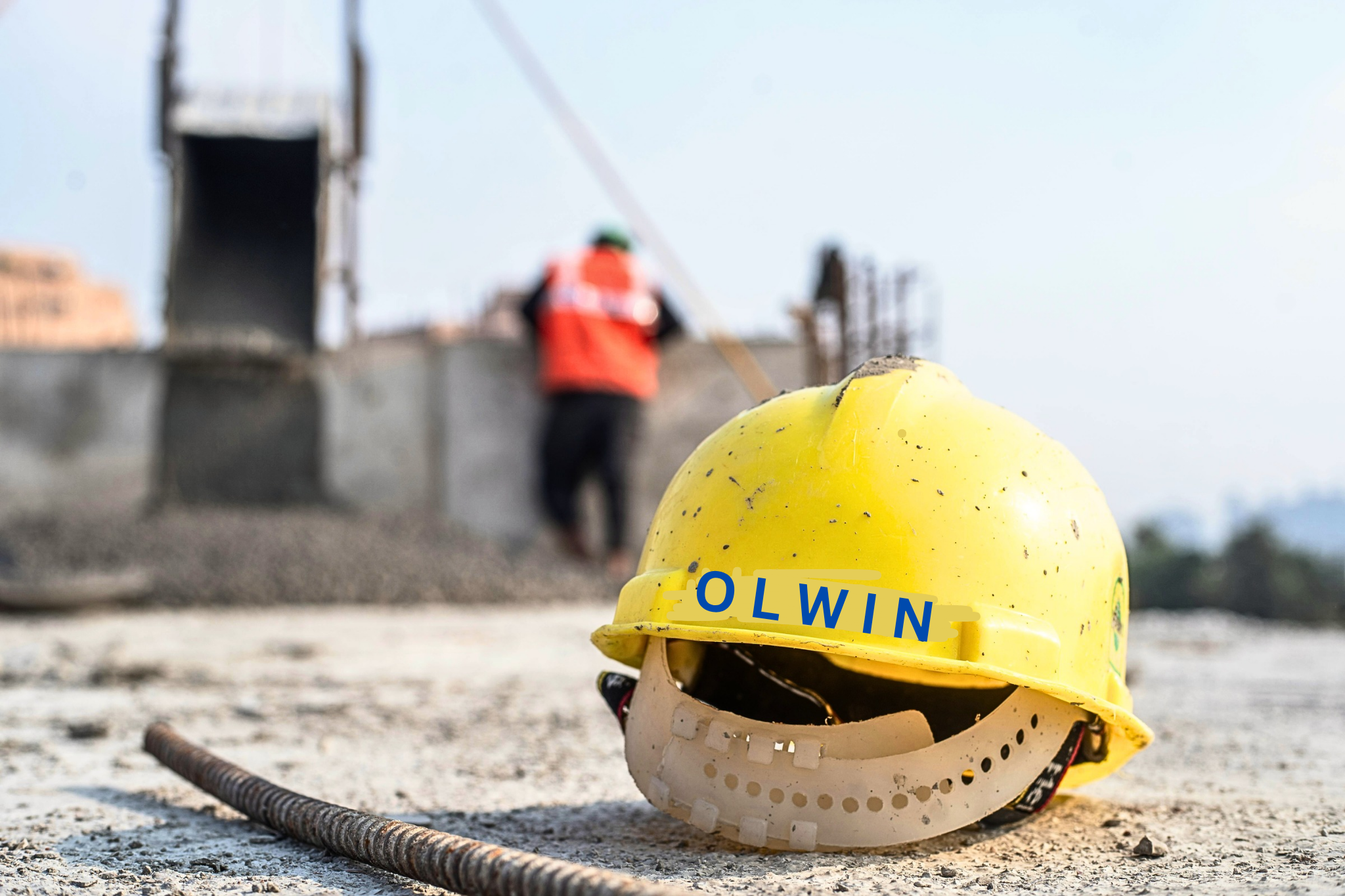
A reputable and trusted developer, such as Olwin Height, brings a level of assurance that the property will meet (or exceed) premium standards. Investors know that a proven track record means fewer risks of structural flaws, hidden defects, or project abandonment. This peace of mind translates into higher demand, and consequently, higher pricing.
In essence, the pricing of luxury real estate reflects scarcity, quality, safety, and demand, not arbitrary inflation. Now that you know why luxury real estate is often priced higher, we’ve created a visual table to help you understand the real value of luxury real estates over standard properties.
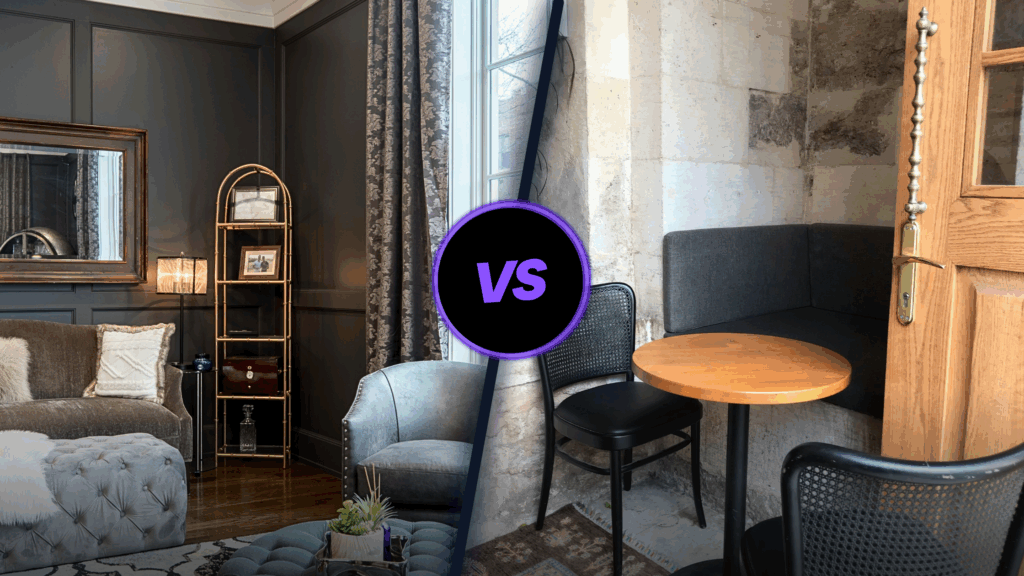
A Clear Picture of the construction value of Luxury Real Estate vs. Standard Properties
| Features | Luxury Real Estate (e.g., Jacob’s Bay Luxury Smart City) | Standard Properties |
| Foundation & Structural Integrity | Deep pile foundation for maximum stability; reinforced steel and high-grade concrete mix tested for durability and seismic resistance; advanced water-proofing and termite protection. | Basic strip or raft foundation; standard-grade concrete; minimal reinforcement; basic water-proofing without long-term durability testing. |
| Exterior Walls & Cladding | Premium reinforced block work; insulated walls for energy efficiency; imported stone cladding, marble, or composite panels for aesthetics and longevity. | Standard hollow block work; no insulation; painted cement render or basic tiles prone to weathering. |
| Roofing | High-grade aluminum or stone-coated roofing tiles with anti-corrosion technology; heat-reflective coatings to reduce interior heat. | Standard galvanized roofing sheets; prone to rust and heat absorption. |
| Windows & Glazing | Double or triple-glazed tempered glass with UV protection and soundproofing; imported aluminum frames with powder coating. | Single-pane glass windows; locally fabricated aluminum or steel frames with minimal weather protection. |
| Doors | Solid hardwood or reinforced security doors with biometric or smart lock systems; imported stainless steel fittings. | Hollow-core wooden doors or low-grade steel doors with standard locks. |
| Flooring | Imported marble, granite, or premium porcelain tiles; engineered hardwood floors; underfloor heating in select areas. | Basic ceramic tiles or vinyl flooring; local hardwood without moisture treatment. |
| Kitchens | Custom-designed modular kitchens with quartz or granite countertops; built-in high-end appliances (Bosch, Miele, Samsung); soft-close cabinetry. | Standard laminate countertops; free-standing basic appliances; generic cabinetry without soft-close features. |
| Bathrooms | Spa-style bathrooms with imported fixtures (Grohe, Kohler); rain showers; frameless glass shower enclosures; jacuzzi or soaking tubs; designer tiling. | Standard ceramic fixtures; basic showerheads; PVC shower curtains; basic tiling. |
| Lighting & Electricals | Designer LED lighting systems; smart lighting control; energy-efficient fittings; surge-protected wiring; automated backup systems. | Standard fluorescent or incandescent bulbs; basic switches; no smart controls; minimal surge protection. |
| Climate Control | Centralized air conditioning & heating; energy-efficient inverter systems; air purification systems integrated into HVAC. | Standalone air conditioners or ceiling fans; no integrated climate control. |
| Security | Smart home security systems with motion sensors, CCTV, biometric entry, and 24/7 monitoring; gated community with trained personnel. | Basic locks and bolts; door alarm, untrained or informal security guards. |
| Amenities | Private pools, gyms, spas, concierge services, landscaped gardens, clubhouses; EV charging stations; underground parking. | Shared or minimal amenities; open parking; no concierge or luxury service offerings. |
| Finishes & Aesthetics | Bespoke interior designs; imported wallpapers, textured paints, or designer wall panels; handpicked art installations; ambient lighting. | Standard paint finish; minimal interior décor; generic designs without customization. |
| Location | Prime city zones & waterfronts | Regular urban/suburban areas |
| Investment value | High appreciation, rental yields, legacy building. | Average appreciation |
| Pricing | ₦500M – ₦5B+ | ₦20M – ₦80M |
From the table above, you’d see that when you factor in location, exclusivity, build quality, and long-term returns, luxury real estate, especially in developments like Jacob’s Bay, is strategically priced for value.
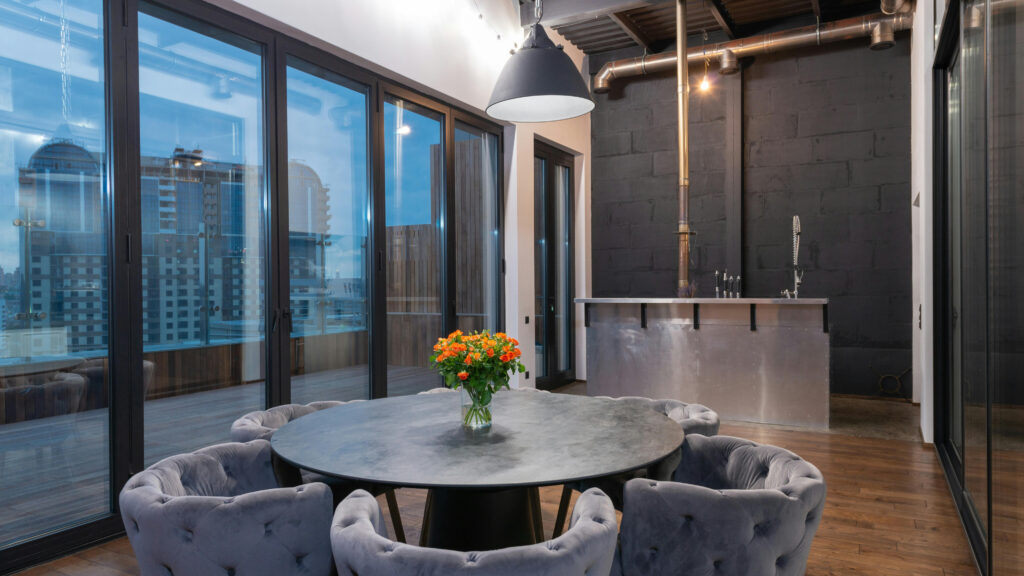
Is Luxury Real Estate Overpriced or Worth Every Penny?
At the end of the day, whether luxury real estate is “overpriced” or “worth every penny” depends entirely on how you define value. If you measure value based on the upfront cost, then luxury homes will almost always seem expensive compared to standard properties. But if your yardstick is quality, comfort, exclusivity, and long-term value, the equation changes dramatically.
Luxury real estate is about living in a home that is built to last, designed to inspire, and equipped to meet modern demands. From the deep foundation that secures it, to the smart systems that protect and serve it, every detail in a luxury property is crafted for durability, efficiency, and timeless appeal. You’re not just buying a house, you’re investing in heritage, lifestyle, and future resale strength.
In a market where land scarcity in prime locations pushes values higher and where premium materials and expert craftsmanship mean fewer repairs and replacements over time, the “price” you pay upfront could very well be the money you save in the long run.
So, is it overpriced? Or is it a wise investment in peace of mind, daily comfort, and enduring value? That’s for you to decide.
At Jacob’s Bay Luxury Smart City, we’ve taken the principles of true luxury, quality materials, impeccable construction, world-class amenities, and merged them with innovation, security, and sustainability. Here, your home isn’t just a place to live, it’s a statement of who you are and the value you command in life.
If you believe quality should never be compromised, then Jacob’s Bay is where your next chapter begins.
Download the Investment brochure HERE and send us an email at sales@olwinheight.com to secure you stake at this timeless city.